Aurora Prep
Behavioral interviews
Why are stories so powerful?
A personal account of learning to answer “Tell me about yourself” and giving an interviewer a reason to remember the answer.
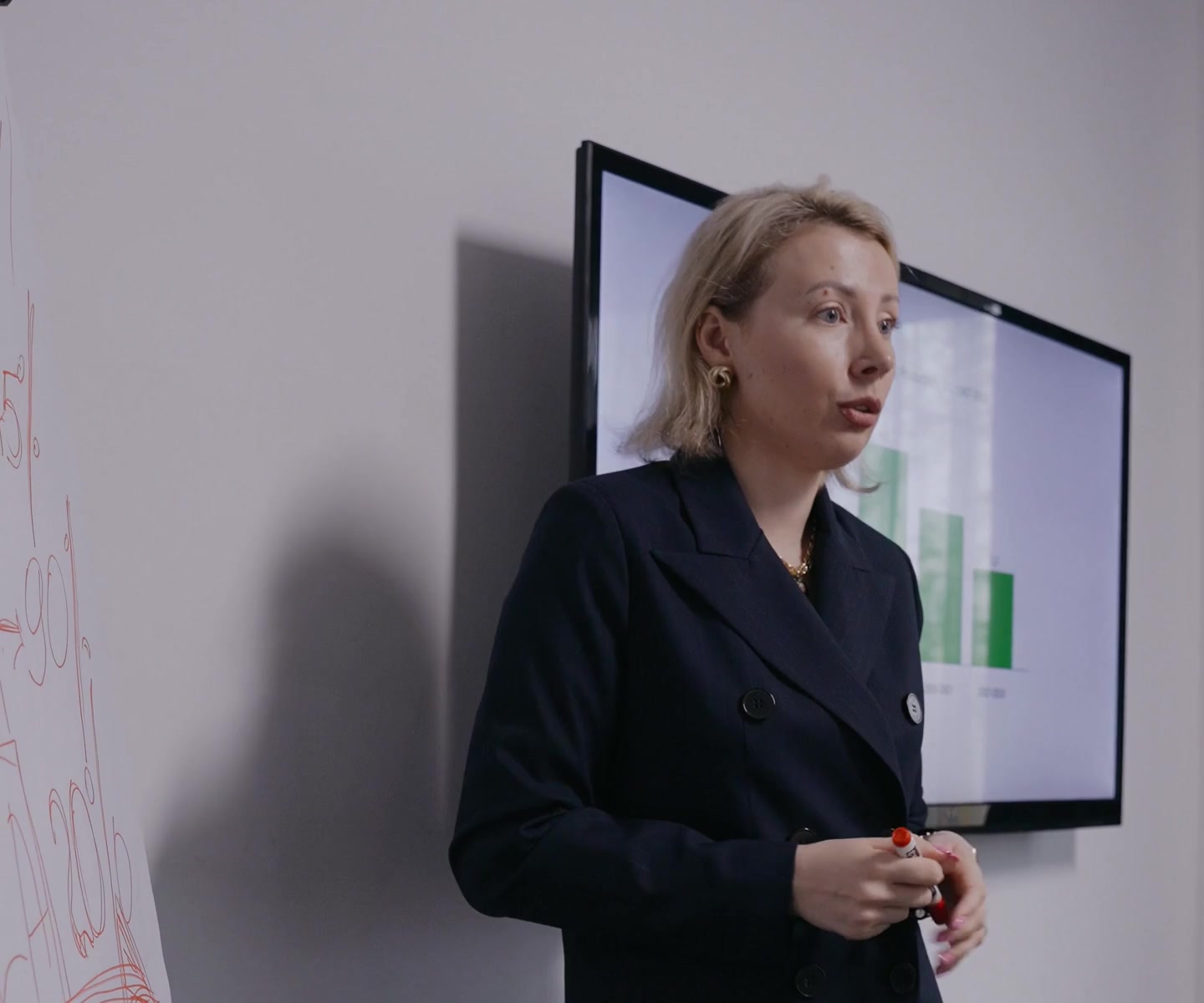
Now imagine this. You walk in for your interview at one of the big three. Your interviewer leads you down the hallway and graciously extends her hand out to the right, showing you the room where you will be interviewing. You sit down across from your interviewer at the table, and she says the most frightening four words you've ever heard. Tell me about yourself.
The pain and misery that I've heard applicants describe from this scenario could decorate our entire office space. Like let's be real for a minute. You just spent something like 80 hours preparing for case interviews. You are a freaking pro at the STAR method, and you're just ready for someone to ask you about how that internship last year really prepared you to be a wizard at consulting as soon as you walk in the door. What you were not planning for was talking about you. I'm talking about the you that isn't your resume. The interviewer has already read your resume. They know what you put on there. What they are looking for now is what is your story. To be frank with you - this should become your favorite question.
...but, why?
To understand why you need to think about the human aspect of life, life in general. When you deal with people, they have the same emotions as you. They enjoy things the same way you do. For those of you who are intimidated, believe it or not, your interviewers enjoy a lunch break and a morning coffee. They enjoy movies and laughing and all those things that make us human. Now when we step back into the scenario you are in, you're sitting in the middle of an office room across from your interviewer who now has to spend the next 45-60 minutes (remember this is their job and not everyone likes their job) talking to you about why you are a good fit for the company. Will they feel any connection to you if you ramble off bullet points they have already seen? I'll ruin the surprise. No. No they won't.
The beauty of this simple question is that "Tell me about yourself" is one of the most commonly seen questions in the behavioral interview. It's also giving you the keys to the kingdom in terms of painting an image of who you want your interviewer to remember you as. This story about who you are should be something, we believe, you spend 15-20% of your interview prep time on. Then, continue doing that for the rest of your life. This story should continue to change and grow as you do, incorporating new facts and relevant, interesting storylines that have weaved your career. You should not lie, but make this story exciting for people to hear.
Regardless of what you have done in life, what your stage is, your current job title, socioeconomic status, anything - you can create a vastly creative and compelling story that tells the story of you. Where did you come from? Where do you plan to go? What has impacted or shaped your life? What are your values? How do these things as a collective lead you to being in this seat today, with me?
I'll give you an example. Back when I was breaking into consulting, I did it the hard way. I was in the industry in wealth management. I had spent nearly most of my career doing portfolio analysis and advising clients on how to grow their wealth, build exit strategies if they were entrepreneurs, and coach them on how to create a lasting legacy for their families. Now, I had decided to follow a burning passion of mine to do something more challenging. I wanted to go tackle corporate America's problems. I wanted to be a part of those boardroom discussions driving and eliciting change strategically.
In short - consulting firms tend to have a heavy bias toward their recruiting pathways from undergrad and MBA programs. Industry hires are growing at some firms and this is not one-hundred percent the case as when I entered the industry, but at the time it was immensely difficult. I tried applying for dozens of roles. I heard crickets. So, I decided to take matters into my own hands, and I decided to run my job search like I would run a business. After all, I thought "I'll have to help companies learn how to handle much more difficult situations if I ever became a consultant, so I should be able to figure this out."
I created my own approach, taking my target list of companies, and then honing in on LinkedIn to find recruiters and current consultants. I leveraged anyone who had a third-party connection or some sort of connection that would allow me to get a warm introduction. I began cold-calling recruiters and cold-emailing them myself. Following up with simple e-mails to let them know that I was interested, and just needed 15-minutes of their time. By doing this, I was able to get 15 meetings within three weeks - far more results than any of the online applications offered me.
However, I soon realized the trend in these interviews. The initial question of "Tell me about yourself" was daunting at first, and I treated it like a resume regurgitation. Those meetings led nowhere. By the sixth informational meeting and/or interview, I realized this is my opportunity to really make myself attractive. I had received so much pushback on being told how wealth management and advising is nothing like consulting, so I probably wouldn't be a strong fit. So, I decided to beat these interviewers to the punch. I would explain to them exactly how wealth management was like consulting, and in fact, why it actually gave me an edge.
With this pivot, this is when I began to see immense success, getting to final rounds of interviews. That's because this question does not go away. Through each round you have in an interview, your interviewers will ask you about yourself before jumping into anything, and this 2.5 minutes is your opportunity to make gold. In my case, it was explaining how I worked closely with executives as my clientele daily. I learned about their businesses and helped provide strategic advice from a financial standpoint, and through years of doing this, I began to realize I had outgrown my challenges. I wanted to go play a role in the boardroom making these kinds of problems the challenges for me to solve rather than investment selections.
One easy framework of mine you can borrow is to think about your story like this: Start, Growth, Success, Next Challenge. Framing yourself in a way that explains where you started and the growth you experienced is powerful for helping your interviewer understand what you are capable of. Outlining the successes you had demonstrates your ability to thrive and solve problems, but your interviewers will always wonder why you are trying to make a pivot if it's from industry or they'll wonder what makes you a good fit (and it's not just because you went to a good MBA program). This portion of understanding what you want your next challenge to be is what sets you up for looking like a strong candidate. Be open, tell your interviewer what passions you're going to bring to the table and how you're going to absolutely succeed in this role.
Remember, the key to story telling is in being authentic. Don't feel the need to embellish, or be too theatrical. Simply be passionate. Be honest. And be excited about being there for this opportunity to interview, and those four words will soon begin to be your favorite.
Goodluck on your interviewing.
Cheers!
Your Team at Aurora Prep
Originally published by The Aurora Co. Read on LinkedIn ↗